


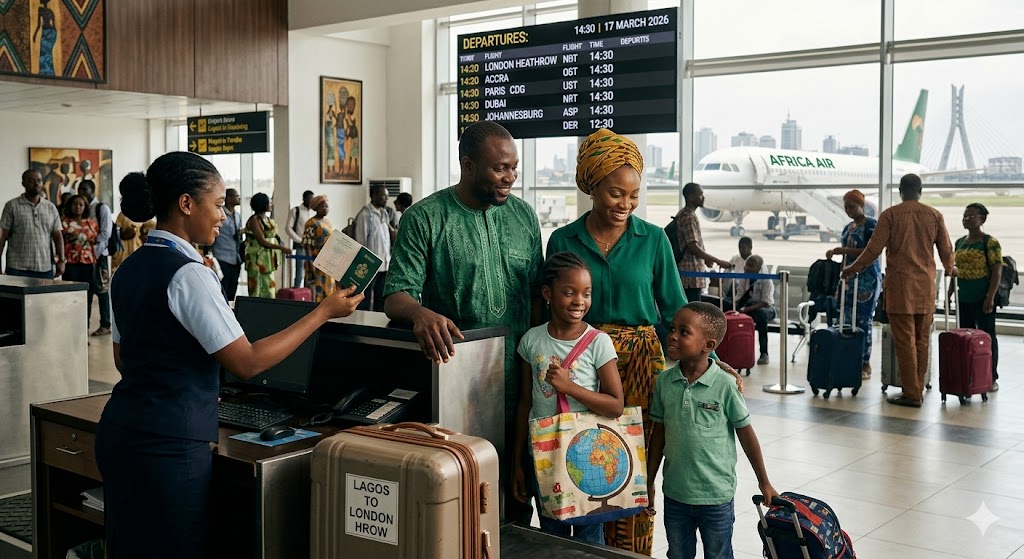
Traveling and migration have long been part of the African story. For centuries, Africans have moved across borders in search of education, economic opportunities, safety, and a better quality of life. Today, globalization, digital technology, and international opportunities have made mobility more accessible than ever.
For many Africans, traveling abroad represents more than tourism—it symbolizes opportunity, growth, and transformation. Whether relocating for education, career advancement, or entrepreneurship, migration has become a major pathway for individuals and families seeking to improve their lives.
However, while migration offers many possibilities, it also comes with responsibilities, challenges, and important decisions that must be made carefully.
Why Many Africans Travel or Migrate
Several factors continue to drive migration from African countries to other parts of the world. These motivations vary depending on personal goals, economic circumstances, and global opportunities.
1. Education Opportunities
Many African students travel abroad to pursue higher education in universities across Europe, North America, Asia, and Australia. International education provides exposure to advanced research facilities, global networks, and specialized training.
After completing their studies, graduates often gain international work experience or return home with valuable skills that contribute to development in their local communities.
2. Career and Economic Opportunities
Professional migration is another major reason Africans travel abroad. Skilled workers such as engineers, doctors, IT professionals, and entrepreneurs often relocate to countries with stronger job markets and better professional development opportunities.
For many families, migration helps increase financial stability through employment and remittances sent back home.
3. Entrepreneurship and Business Expansion
African entrepreneurs are increasingly exploring global markets. Traveling allows business owners to expand networks, access international investors, and build partnerships across borders.
Diaspora communities have played a major role in connecting African businesses to global trade opportunities.
4. Cultural Exchange and Global Exposure
Travel exposes Africans to new cultures, ideas, and innovations. This exchange of knowledge often leads to new perspectives and collaborations that benefit both host countries and African communities.
Challenges Africans Face When Migrating
Despite the many benefits of migration, the journey is not always easy. Many migrants face challenges that require preparation and resilience.
Legal and Immigration Processes
Visa applications, residency permits, and immigration laws can be complex and sometimes restrictive. Understanding immigration rules before traveling is essential to avoid legal difficulties.
Cultural Adjustment
Moving to a new country often involves adapting to different social norms, languages, and lifestyles. This adjustment can be challenging at first but often becomes easier with time and community support.
Financial Planning
Migration requires proper financial planning. Expenses such as tuition, accommodation, travel costs, and healthcare must be considered before relocating.
Emotional and Social Impact
Living far from family and familiar environments can lead to feelings of isolation. Many migrants rely on diaspora communities and social networks for support and connection.
The Role of the African Diaspora
The African diaspora plays a significant role in global development. Millions of Africans living abroad contribute to economic and social growth both in their host countries and their home nations.
Diaspora communities contribute through:
- Remittances that support families and local economies
- Knowledge transfer and skills development
- Investment in businesses and infrastructure
- Cultural representation and advocacy
These contributions demonstrate how migration can create meaningful connections between Africa and the rest of the world.
Preparing for International Travel or Migration
Before traveling or migrating, individuals should prepare carefully to ensure a smooth transition.
Important steps include:
- Researching visa and immigration requirements
- Preparing necessary documents such as passports, academic records, and financial proof
- Building professional networks before relocation
- Learning about the culture and laws of the destination country
- Creating a financial plan for the first few months abroad
Preparation reduces risks and increases the chances of a successful migration experience.
The Future of African Mobility
Africa is home to one of the world’s youngest and fastest-growing populations. As education, technology, and entrepreneurship continue to expand, African mobility is expected to grow significantly in the coming decades.
Rather than seeing migration as a loss of talent, many experts now emphasize the importance of “brain circulation”—where Africans gain global experience and later contribute to innovation and development across the continent.
With the right policies, networks, and opportunities, traveling and migration can become powerful tools for economic growth, knowledge exchange, and global collaboration.
✅ Conclusion
Traveling and migration are important parts of the African journey toward opportunity and global engagement. While challenges exist, the potential benefits—from education and economic advancement to cultural exchange—continue to inspire millions of Africans to explore the world.
With proper planning, support networks, and clear goals, migration can open doors to personal growth while also contributing positively to the development of African communities worldwide
